Subpanel Setup Orange County: Broaden Your Power Securely
Homes and organizations in Orange County seldom stay fixed. A brand-new EV charger in the garage, a yard ADU, a workshop with genuine tools, a swimming pool remodel, a kitchen upgrade that didn't exist when the house was developed. Each project leans harder on a service that was sized for a various era. That is where an effectively planned subpanel earns its keep. It includes more circuit areas where you need them, streamlines circuitry runs, and improves security when set up with an eye for code, load, and future growth.
I have actually opened a lot of crowded main panels in Mission Viejo, Fullerton, and Costa Mesa. Between the tandem breakers, doubled neutrals, and mystery cable televisions, there is frequently a story written in copper and tape. A subpanel is not a bandage. Done right, it is an organized addition that makes the system safer and much easier to cope with. Done wrong, it welcomes annoyance journeys, getting too hot, or worse. The distinction comes down to preparation and execution.
What a subpanel really does
A subpanel is a distribution panel fed from your main circuit box. Consider it as a branch center. Power flows from the main breaker panel through a feeder breaker and properly sized conductors to the subpanel, where specific circuits are divided and safeguarded. This setup does not increase the size of your energy service. It restructures and expands your available circuits in a particular area.
In a typical Orange County home, subpanels wind up in garages for EV battery charger installation, in detached structures for workshops or visitor suites, or outdoors to serve swimming pools and landscape lighting. Business spaces utilize them to decentralize circuits throughout tenant enhancements or to separate equipment zones. The advantages are useful: much shorter wire goes to brand-new loads, much better breaker company, and room for future circuits without stuffing the main panel.
When a subpanel makes sense, and when it does not
Good candidates share a few characteristics. The main panel is far from the location being remodelled, you are including multiple new circuits, or the main panel is physically full however still in good shape. Subpanels shine for EVs, saunas, infrared heating units, air compressors, and anything that clusters load in one place. I set up a 100 amp garage subpanel in Irvine for a customer who knew the first EV would not be the last. A year later on, we included a 50 amp circuit for a second battery charger and a 20 amp dedicated circuit for a freezer. No drywall dust, no fishing wires across the home, and no balancing breakers.
A subpanel is not the repair for a service that is basically undersized. If your 100 amp service is already strained by HVAC, electrical variety, and a ring of space heating units each winter, you may be purchasing an electrical panel upgrade in Orange County instead of a satellite panel. The best relocation depends upon a load computation, not guesswork. A licensed electrician Orange County homeowners trust will run the numbers before pushing a solution.
Codes that matter here
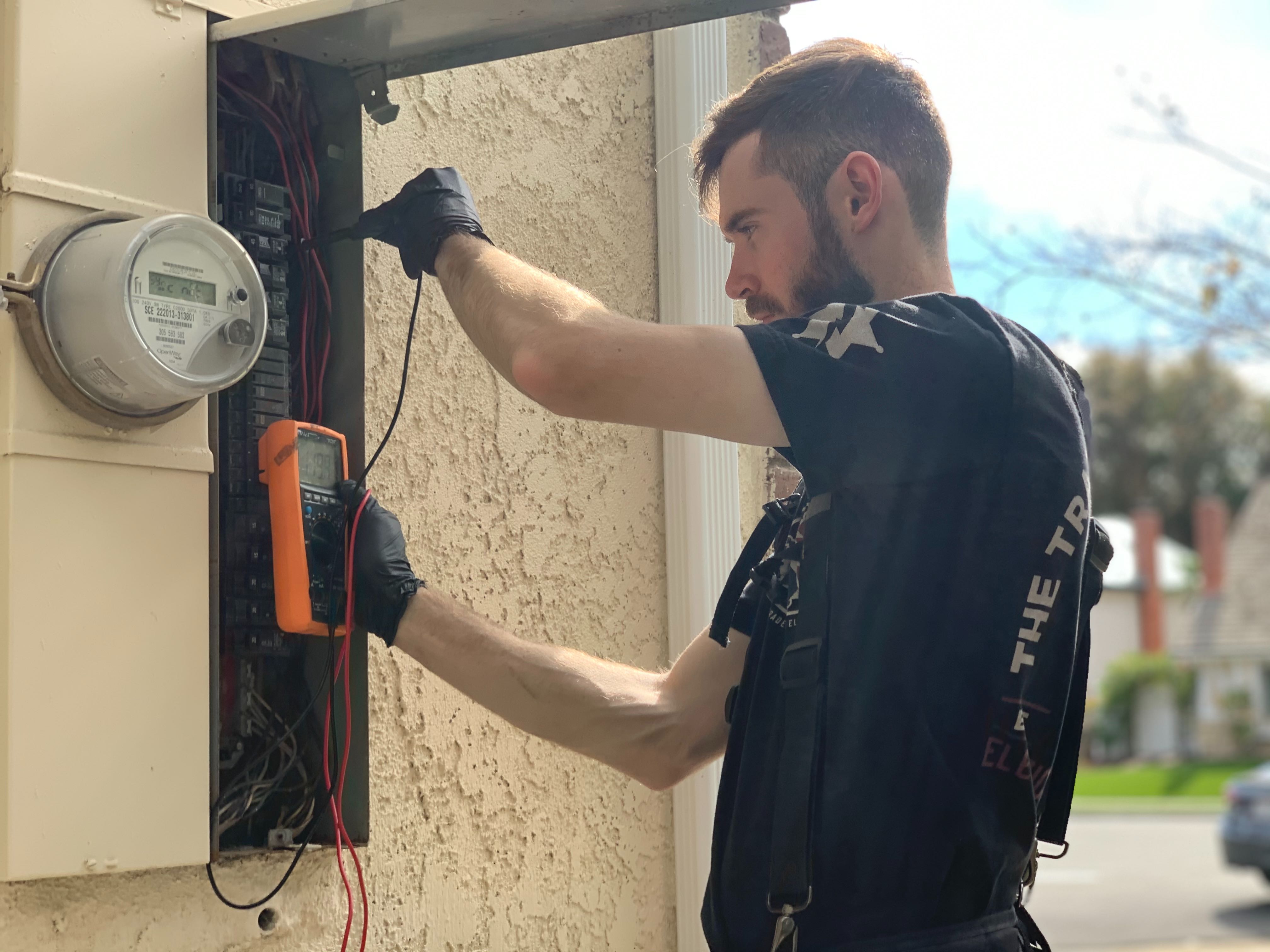
Permits are not paperwork for the sake of it. They secure you and dictate a standard of safety. Across the county, cities and the county authority count on the California Electrical Code, which is based upon the National Electrical Code with state changes. The key points that turn up in subpanel work are consistent.
Ground and neutral separation. In a subpanel, neutrals need to be separated from the enclosure and from devices premises. The green bonding screw that is available in the box is not used in a subpanel. Grounds and neutrals arrive at separate bars. Bonding only happens at the service disconnect. Miss this, and you create parallel neutral paths that can energize metal avenue and boxes.
Feeder sizing and overcurrent defense. The breaker in the main panel should match the ampacity of the feeder conductors to the subpanel. Conductor size depends on load, product, insulation rating, and installation conditions. Copper and aluminum both have their place. Copper expenses more and handles heat a bit better in tight spaces. Modern AA-8000 series aluminum is trusted and common for feeders in residential work when sized correctly.
Working clearances. Panels need clear area for access - usually 3 feet in front, 30 inches large, and 6 feet 6 inches in height clearance. I have needed to relocate a garage subpanel off a shelf wall in Huntington Beach because the surfboard rack left 20 inches of working width. Great board, bad electrical clearance.
Arc fault and ground fault security. Including brand-new receptacle circuits in living locations generally activates AFCI defense. Garages, outside outlets, and bathroom or kitchen area small home appliance circuits require GFCI. A great residential electrician Orange County homeowners call will discuss that these requirements secure people and residential or commercial property, and how they influence breaker and device choices.
Detached structures. Feeding a subpanel in a removed structure now typically needs a 4‑wire feeder with different ground and neutral. A grounding electrode system at the shed is normally required. You do not drive a ground rod for a subpanel inside the same structure as the primary panel, however you typically do for a removed garage or ADU. Information differ by distance, electrical wiring approaches, and soil conditions.
Permits and inspections. Many Orange County jurisdictions turn permits for subpanels in a few company days as soon as the scope is clear and any structural or trenching notes are consisted of. Coordinating with the inspector in advance about feeder routing or whether a trench can share area with irrigation conserves rework. An electrical examination Orange County officials perform is not adversarial. It is a 2nd set of eyes.
Planning that avoids headaches
The first pass is a load estimation. Even a rough tally helps. Accumulate a/c nameplates, kitchen appliance loads, EV charging strategies, pool devices, and any electrical area heating. The California code uses need factors that account for diversity, so the overall is not an easy amount. If a primary service upgrade is likely, it is better to face that before constructing a subpanel plan on an unsteady foundation.
Next, choose where the subpanel lives. Brief feeders decrease voltage drop and cost. However the panel needs clearances, a solid mounting surface, and a dry, accessible area. For garages, the back wall near the EV parking spot works well. For pools, many cities prefer an exterior subpanel on the home wall nearest the devices pad, with appropriate working space and security from splash and sunlight.
Capacity and space go hand in hand. A 60 amp subpanel with 12 to 20 areas covers lots of garages. If you have ambitions for welders, multiple chargers, or a tiny split later, a 100 amp panel is not overkill. Try to find models with complete size spaces instead of heavy reliance on tandem breakers. Company matters when you service the system years later.
Conductor option is not a charm contest. Copper THHN in EMT conduit is rugged, compact, and a great fit for exposed garage runs. Aluminum SER cable television is efficient for longer indoor feeder runs when supported and safeguarded. Underground feeders to detached buildings typically use aluminum URD or copper THWN in PVC avenue. Channel size affects pull tension and heat. I prepare for a channel a minimum of one trade size bigger than the bare minimum, which makes for simpler pulls and future changes.
Coordination with other trades matters more than the majority of property owners understand. If a general professional is closing walls soon, the electrician needs to rough the feeder and box heights before drywall. For EV battery charger setup Orange County customers call about right after purchasing the automobile, I typically find the garage walls currently finished. Surface area emergency medical technician is a good-looking and code compliant option when installed easily, and it avoids ripping open ended up spaces.
Here is a compact checklist we utilize when scoping a subpanel project:
- Confirm load calculation and whether the primary service has headroom.
- Choose panel area with code clearances, dryness, and access in mind.
- Select feeder size and material, and plan routing with very little bends.
- Verify grounding and bonding approach, consisting of removed structure requirements.
- Identify required AFCI or GFCI defense and labeling for brand-new circuits.
A couple of task situations from around the county
A Dana Point client turned a two car garage into a real workshop. Table saw, dust collection, compressor, job lighting. The main 125 amp panel was on the side of your home, a reasonable range from the workspace. We set up a 100 amp copper feeder in EMT, installed a 24 area subpanel near the entry door, and ran multiple 20 amp circuits with devoted receptacles at each station. We separated dust collection and saw circuits to keep start-up rises from dimming lights. The inspector appreciated the neat labeling and correct AFCI protection. The owner valued not tripping breakers mid cut.
In Tustin, a family included an ADU above a removed garage. The old 60 amp garage subpanel had blended grounds and neutrals and no grounding electrode system. We deserted the old panel, trenched a new 4‑wire feeder sized at 100 amps, added ground rods at the separated structure, separated neutrals in the new subpanel, and collaborated low voltage wiring Orange County homeowners typically forget, including Cat6 for the ADU and a camera run. The ADU now has its own neatly identified circuits and a path for future solar incorporate if they choose.
Pool remodels in Yorba Linda and Garden Grove followed a foreseeable pattern. Changing pumps and including a heat pump led to greater electrical need. An outside subpanel with space for pool equipment and landscape lighting keeps things organized and makes future service simple. We utilized a NEMA 3R panel, UV resistant conduit, and mindful routing to keep clear of gas lines and irrigation. The work passed assessment without surprises due to the fact that the bonding of pool equipment and equipotential grid was documented and verified.
Cost, value, and where the cash goes
Homeowners frequently ask for a number over the phone. Fair, however there is honest spread here. A simple garage subpanel within a couple of feet of the main panel, with a 60 amp copper feeder and a handful of circuits, often lands in the low thousands. Move that subpanel across your house, or add a 100 amp feeder in channel with multiple bends, and the price increases. Trenching to a detached structure adds labor and materials rapidly. Aluminum feeders minimize material expense on longer runs, however channel, fittings, and terminations include their own line items. Allow fees and the time to design, schedule, and meet inspectors are part of the job.
You do get more than breaker spaces. A neat subpanel job tidies up spaghetti circuitry, provides dedicated circuits for high demand loads, reduces annoyance tripping, and puts room on the bench for future strategies. When appraisers and purchasers take a look at electrical work in Orange County, recorded licenses and an identifiable Orange County electrical contractor who supports the work make a difference.
Safety information that separate great from sloppy
Bonding and grounding are the heart beat of a safe system. On a subpanel, premises and neutrals should be separate. The subpanel's metal case bonds to the devices grounding conductor, not to the neutrals. If we use a feeder with a metal raceway like EMT, that raceway is bonded, but it does not change the required equipment grounding conductor in a lot of modern installations.
Torque matters. Modern breakers and lugs specify torque values. Under torque and you risk heat from arcing. Over torque and you deform the conductor hairs. We use a calibrated torque screwdriver on terminations and record settings on the authorization notes. It sounds fussy up until you have actually seen a browned lug in a warm garage in August.
Labeling conserves time and disappointment. A subpanel full of scribbles signifies bad routines. We print clear labels that match circuit locations, note AFCI and GFCI security, and cross reference the feeder breaker at the primary panel. Future professionals, and your future self, will thank you.
Voltage drop matters more than lots of expect. EV chargers and compressors draw long, constant loads. If the feeder run is long, upsize conductors to keep voltage drop within 3 percent on feeders and 5 percent general for feeders plus branch circuits. It is not strictly required by code in every case, however it is good engineering practice and avoids odd behavior from sensitive electronics.
Working clearances keep people safe. A panel tucked behind a hot water heater or squeezed by shelving is not only a code violation, it threatens when you need quick access in an emergency situation. When a customer requests for a subpanel in a tight corner, I will deny the location and find a certified solution. The best electrician Orange County residents will advise is the one who safeguards them from short cuts.
Subpanels and EV charging, the common modern case
The push to set up an electrical vehicle battery charger Orange County wide has actually made subpanels a regular demand. A 50 amp circuit for a Level 2 charger is common. Some families go higher for future cars. A subpanel near the parking bay reduces runs, permits 2 or more devoted EV circuits, and makes it simple to include a 120 volt upkeep outlet where you need it.
Smart load management can help when the primary service is tight. Some battery chargers interact and stagger load, or utilize existing transformers to throttle charging if your home draw increases. That is not a crutch for a small service, however it helps families who are on the cusp. A regional electrician Orange County chauffeurs require EV battery charger installation will pair sensible charging habits with the right electrical design.
One useful pointer: do not forget ventilation and work area. Chargers generate a little heat, cords take area, and cars park differently after a grocery run than after a commute. Plan receptacle or hardwired battery charger areas with a car in the stall and a human walking past the bumper. It is the kind of information that prevents cable strain and everyday annoyance.
Detached structures, ADUs, and ground rules
Detached garages, shops, and ADUs are where poor setups show up. I still see 3‑wire feeders with shared neutral and ground at detached structures that went in before code modifications several years back. Upgrades frequently require a 4‑wire feeder with separate insulated neutral, a grounding electrode system at the removed area, and a primary disconnect at the subpanel if the structure needs it. The information depend upon the variety of circuits, developing usage, and whether other metallic paths connect the structures. A pipes or information cable television between structures modifications bonding guidelines. This is where a skilled Orange County electrician makes their fee.
Trenching in Orange County soil is its own sport. Clay pockets near the foothills, sandy runs in coastal zones, and a patchwork of watering all require a cautious site walk. Depth requirements differ by wiring approach. Schedule 40 PVC under a driveway requires more depth than a simple yard run. Utility locates are non flexible. Even an exact same day electrical contractor Orange County house owners find online should set up locates or use private finding for complex websites. Nicking a gas line turns an easy subpanel into a neighborhood event.
Materials and craftsmanship decisions
Panels vary in quality. For subpanels, I choose brands with readily offered breakers and strong neutral bar isolation hardware. Inside, a flush mount can look neat in ended up areas, while surface install in a garage makes future additions easier. Outdoors, NEMA 3R enclosures handle weather condition with correct drip loops and sealing. Stainless screws, anti corrosive compounds on aluminum terminations, and UV ranked conduit and fittings make a distinction over a years of sun.
For conductors, copper THHN in emergency medical technician remains a preferred for exposed interior routes. It is predictable to pull and end. Aluminum feeders shine on longer runs https://andyynzm116.nexorafield.com/posts/led-lighting-retrofits-orange-county-lower-expenses-better-light where cost and weight matter. The secret is utilizing the right lugs and antioxidant, respecting bend radii, and supporting cable per producer and code. Where customers request the least expensive choice, a budget friendly electrical expert Orange County residents work with should still refuse undersized channel or bargain panels with lightweight bus bars. Cost control should never reside in the safety column.
How long does it take
Most subpanel setups complete in a day or two as soon as products are on hand and the path is clear. Add time for drywall repair if we are fishing feeders in finished walls. Detached structures with trenching can take a number of days, including evaluations. Supply chain hiccups still occur, so we verify panel schedule before opening walls. For emergency situations, a 24 hour electrician Orange County locals call at midnight can support a hazard, however an irreversible subpanel needs to be scheduled, allowed, and inspected. If someone promises a complete install in the dark with no license, keep looking.
Troubleshooting and upgrades down the road
After setup, I like to pack test major circuits and keep an eye on thermal behavior with an infrared electronic camera. Warm lugs are not a visual issue. They point to torque or termination issues. If a home experiences annoyance journeys after a remodel, it is typically because lighting installation Orange County clients asked for wound up all on one shared neutral with a multiwire branch circuit not connected with a common journey breaker. A thoughtful subpanel style avoids these traps, however if you inherit them, a leading rated electrician Orange County house owners refer out can rework circuits to modern standards.
Over time, homes develop. An outlet setup Orange County households ask for in the garage may become a dedicated freezer circuit after a big Costco run. A ceiling fan setup Orange County property owners enjoy in one space might lead to a 2nd fan and a brand-new dimming control, which run into AFCI requirements. With a subpanel, you have room to adjust with dignity. If you branch into recessed lighting Orange County decorators enjoy or expand outside lighting Orange County lawns should have, the subpanel keeps those modifications neat and accessible.
Picking the best partner
Credentials matter. Try to find a licensed electrician Orange County jurisdiction recognizes with active insurance coverage and a record of permitted work. Ask who will pull the authorization, who will be onsite, and how they deal with inspection findings. A genuine Orange County electrical contractor knows local inspector preferences, SCE service quirks, and city specific amendments.
References ought to sound real. You wish to find out about tidy work, clear interaction, foreseeable scheduling, and expenses that match bids. Cost matters, but the cheapest choice that stops working evaluation or leaves you with combined neutrals and grounds becomes the most expensive quick. Browse terms like electrician near me Orange County surface area a crowd. Filter for residential electrician Orange County professionals for home projects or commercial electrician Orange County groups for tenant improvements and higher voltage equipment. If schedules are tight, an exact same day electrical expert Orange County supplier can be an asset for little tasks, though complex subpanels are worthy of appropriate planning.
If catastrophe strikes - storm, vehicle meets meter panel, breaker disaster - an emergency electrician Orange County residents can reach after hours is vital. They can make things safe, coordinate with the utility if the service mast is compromised, and plot a tidy path to a permanent repair work or panel replacement Orange County inspectors will approve.
The bottom line
Adding a subpanel is not attractive, but it is among the smartest electrical financial investments you can make when your requirements grow. It keeps circuits arranged, shortens wire runs, supports EV charging and workshops, and sets the stage for thoughtful upgrades like clever home wiring Orange County technophiles delight in or a future generator installation Orange County families might think about for durability. The work rewards mindful planning, exacting craftsmanship, and respect for codes that exist since someone discovered a tough lesson.
If you are weighing a subpanel, begin with a real load evaluation and a discussion about where you plan to grow. Select materials that will age well in our coastal sun and inland heat. Demand neutral and ground separation, proper feeder sizing, appropriate security gadgets, and tidy labeling. A regional electrician Orange County homeowners trust can walk you through the alternatives without lingo or pressure.
Done right, a subpanel vanishes into the background of daily life. Lights do not flicker when the compressor kicks on. The EV charges overnight without tripping. The pool pump hums along by itself circuit. And when you unlock to that panel, what you see is order. That is the quiet guarantee of great electrical work.